Infographic 36 · ZANISS SOFTWARES

Fintech Software Development in India 2026

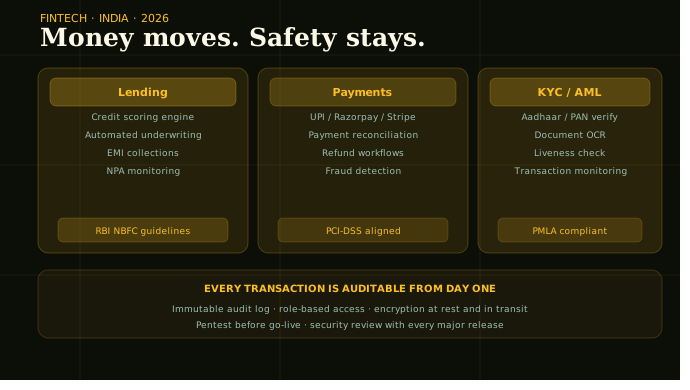
Fintech software lives or dies on compliance — RBI guidelines for lending, PCI-DSS for payments, and PMLA for KYC/AML aren't optional add-ons, they shape the data model from the first sprint. This infographic breaks fintech development into its three core product areas and shows what "auditable from day one" actually means in practice.

Fintech Software Development in India 2026 — infographic by ZANISS SOFTWARES
Fintech Software Development in India 2026 · Source: ZANISS SOFTWARES — free to share with credit and a link back to this page.

Key takeaways

  • Fintech software splits into three core product areas: lending (credit scoring, underwriting), payments (gateway, reconciliation, fraud detection), and KYC/AML (identity verification, transaction monitoring).
  • RBI NBFC guidelines govern lending products; PCI-DSS alignment is required for any system handling card payment data.
  • PMLA (Prevention of Money Laundering Act) compliance is mandatory for KYC/AML workflows in Indian fintech.
  • Every fintech system needs an immutable audit log, role-based access control, and a security review before every major release — these are not optional.
Key details at a glance

Fintech software splits into three core product areas: lending (credit scoring, underwriting), payments (gateway, reconciliation, fraud detection), and KYC/AML (identity verification, transaction monitoring). RBI NBFC guidelines govern lending products; PCI-DSS alignment is required for any system handling card payment data. PMLA (Prevention of Money Laundering Act) compliance is mandatory for KYC/AML workflows in Indian fintech. Every fintech system needs an immutable audit log, role-based access control, and a security review before every major release — these are not optional.
Want this applied to your business?

Book a free consultation and we'll map this framework to your project — no fluff, no sales pressure.