The Three Honest Pricing Tiers
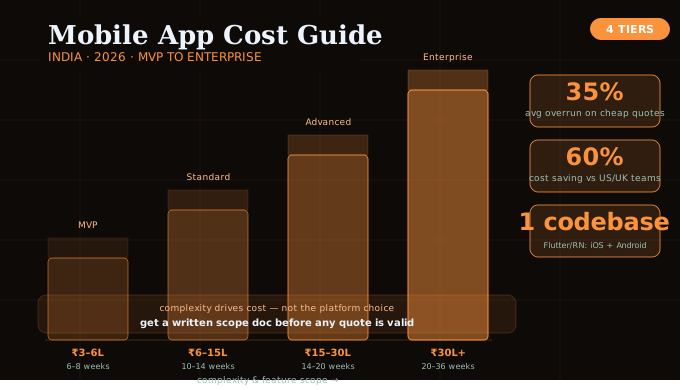
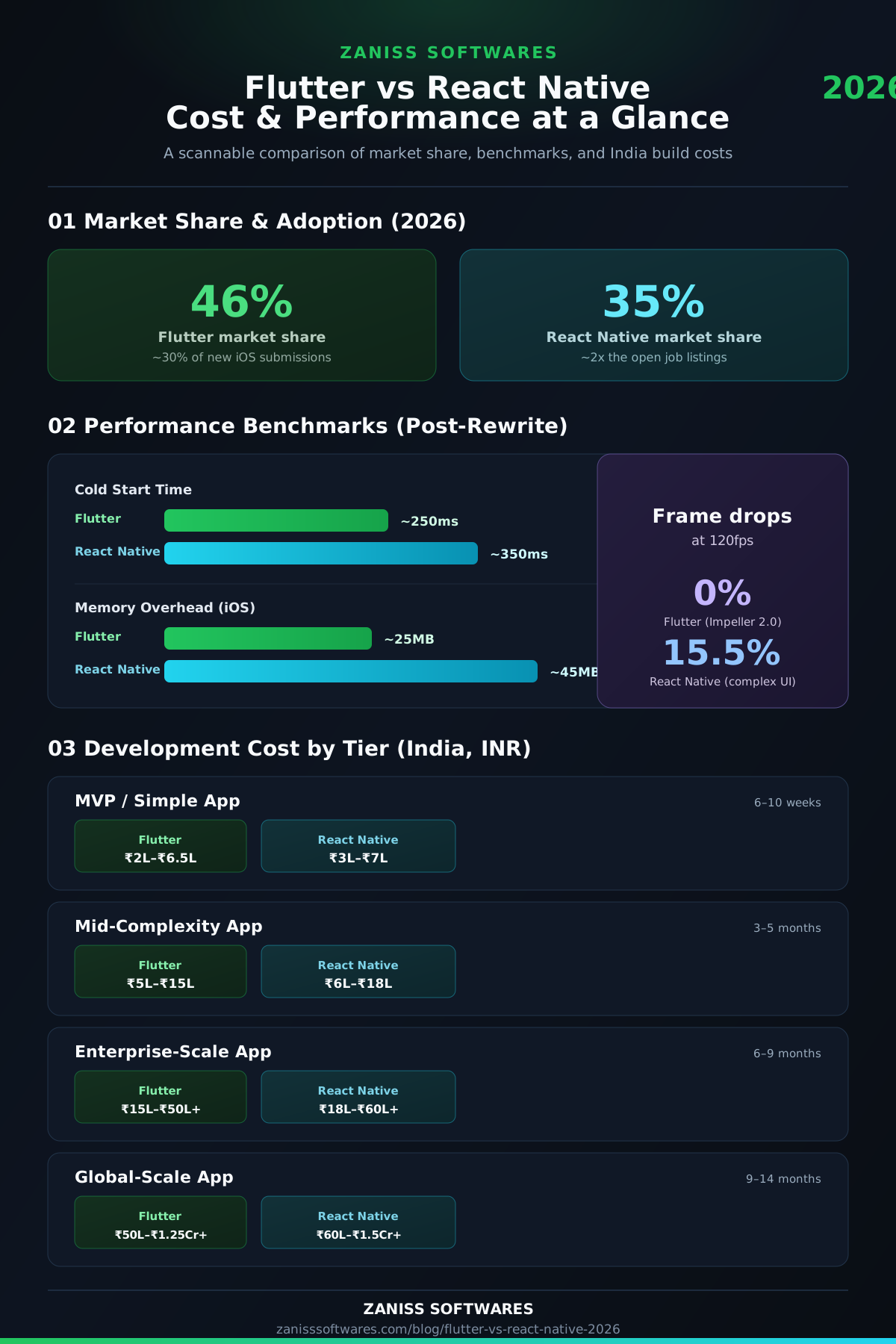
MVP (₹3–6L, 8–14 weeks): cross-platform (Flutter or React Native), 4–8 core screens, basic authentication, single backend, no offline mode. Right for validation, wrong for scale. Production app (₹8–18L, 14–24 weeks): full feature set, payment integration, push notifications, analytics, properly tested across 15+ device classes, ASO and store launch support. The bracket most funded startups should be planning for. Enterprise app (₹30L+, 6–10 months): native iOS and Android, complex backend, role-based access, SSO, offline sync, accessibility compliance, formal QA cycles, and a documented release pipeline. Anything claiming this tier under ₹30L is missing scope you'll pay for later.
The Five Real Cost Drivers
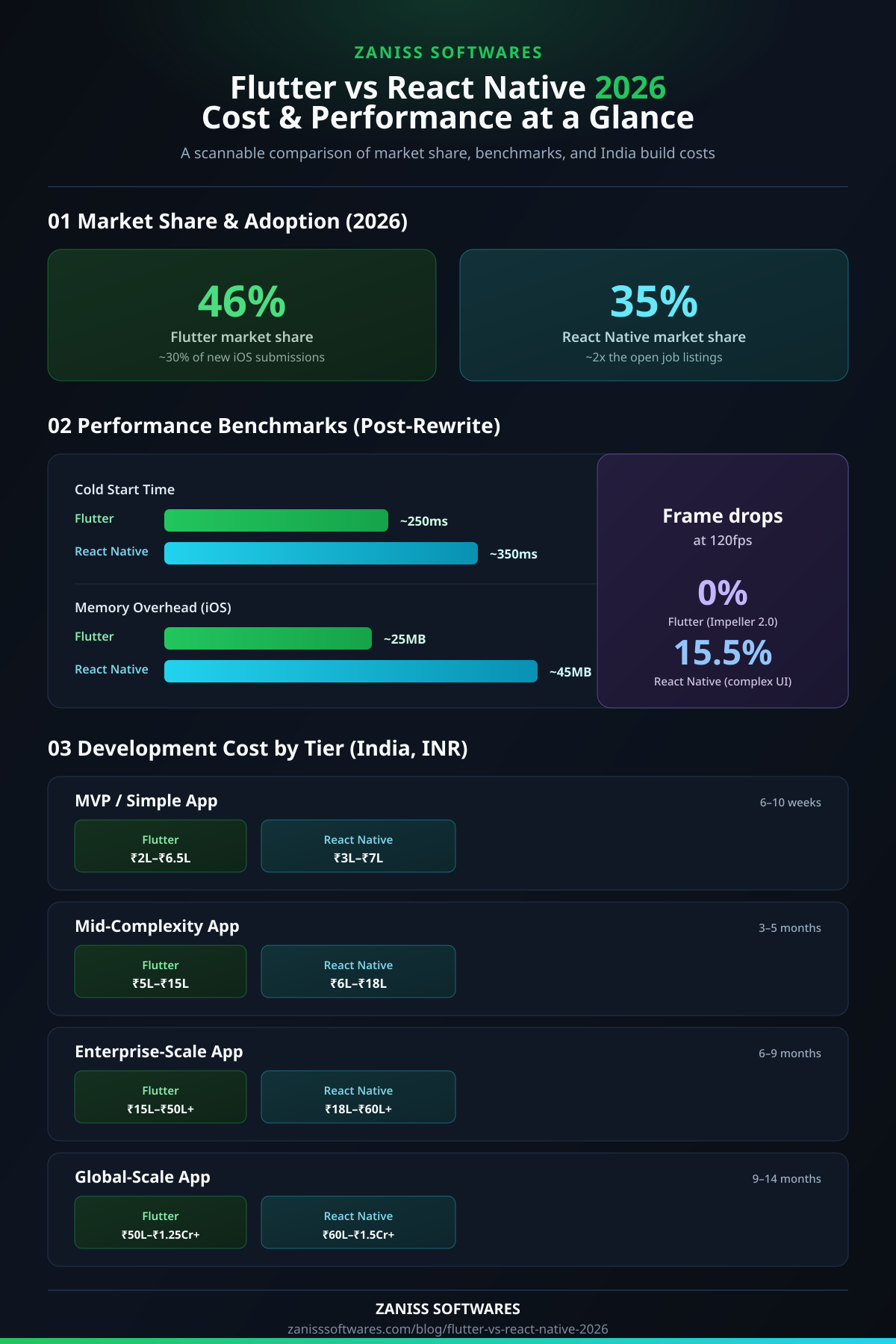
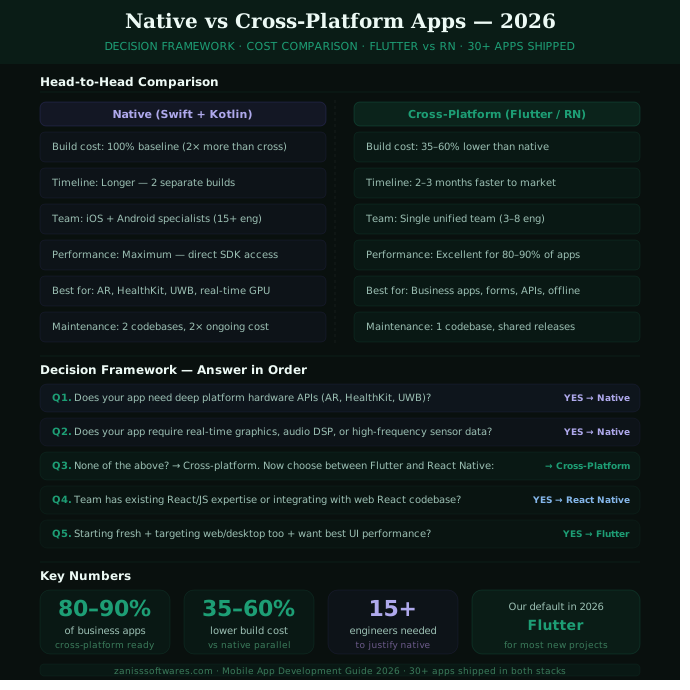
Feature complexity outweighs every other factor — payments, real-time chat, video, offline sync and third-party integrations each add lakhs. Backend scope is usually under-budgeted: a mobile app without a custom backend is a thin wrapper, and most apps eventually need one. Native versus cross-platform changes cost by 40–80% on identical features. Design depth — micro-interactions, motion, accessibility — adds 15–30% and is where premium apps differentiate. QA, security testing and store submission together are typically 15–20% of build cost and the line cheap quotes hide most aggressively.
Where Cheap Quotes Cut Corners
Four corners get cut quietly: testing (one device, one OS version, declared 'tested'), security (no authenticated API contracts, secrets hardcoded in the binary), store submission support (you do the App Store / Play Store paperwork yourself and discover the rejection reasons the hard way), and post-launch warranty (no commitment to fix anything that breaks after launch). The cheapest quote almost always turns into the most expensive build by the time you've patched the gaps — usually within 90 days of launch.