Infographic 45 · ZANISS SOFTWARES

Headless CMS Development in India 2026

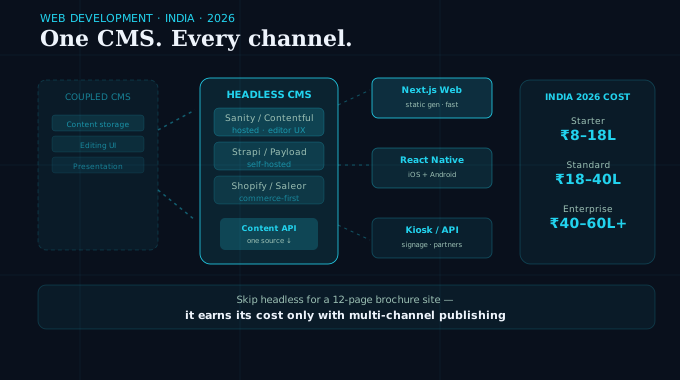
A traditional CMS couples content storage, editing, and presentation into one system — headless architecture splits these apart, letting one content source feed a website, mobile app, partner API, and digital signage simultaneously. This infographic shows that unbundling visually, the major headless CMS options by category, and realistic India 2026 build costs across three project tiers.

Headless CMS Development in India 2026 — infographic by ZANISS SOFTWARES
Headless CMS Development in India 2026 · Source: ZANISS SOFTWARES — free to share with credit and a link back to this page.

Key takeaways

  • Headless CMS unbundles content storage from presentation — one Content API can simultaneously power a Next.js website, React Native app, partner integrations, and kiosk displays.
  • Major headless options fall into three categories: hosted (Sanity, Contentful), selfhosted (Strapi, Payload), and commerce-first (Shopify, Saleor).
  • India 2026 build costs: Starter single-channel (₹8–18L), Standard multi-channel (₹18–40L), Enterprise self-hosted (₹40–60L+).
  • Headless is overkill for a simple 12-page brochure site — it earns its cost specifically through multi-channel publishing needs.
Key details at a glance

Headless CMS unbundles content storage from presentation — one Content API can simultaneously power a Next.js website, React Native app, partner integrations, and kiosk displays. Major headless options fall into three categories: hosted (Sanity, Contentful), selfhosted (Strapi, Payload), and commerce-first (Shopify, Saleor). India 2026 build costs: Starter single-channel (₹8–18L), Standard multi-channel (₹18–40L), Enterprise self-hosted (₹40–60L+). Headless is overkill for a simple 12-page brochure site — it earns its cost specifically through multi-channel publishing needs.
Want this applied to your business?

Book a free consultation and we'll map this framework to your project — no fluff, no sales pressure.