Infographic 46 · ZANISS SOFTWARES

Progressive Web App Development in India 2026

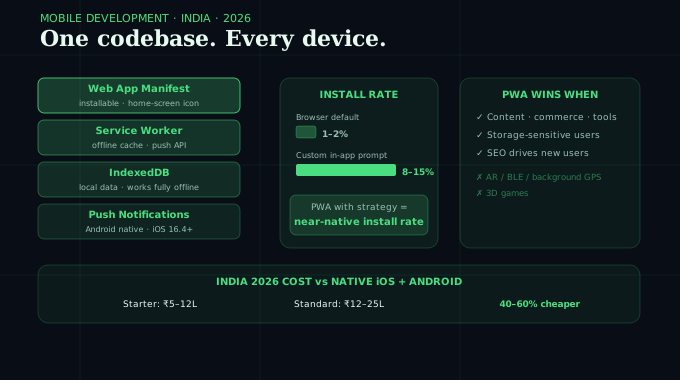
PWAs are quietly winning the second-app slot on Indian phones, where storage-conscious users hesitate to install a 60MB native app for occasional use. This infographic shows the technical capability stack that makes a PWA function like a native app, the install-rate truth most teams don't measure, and the real cost advantage versus building separate iOS and Android apps.

Progressive Web App Development in India 2026 — infographic by ZANISS SOFTWARES
Progressive Web App Development in India 2026 · Source: ZANISS SOFTWARES — free to share with credit and a link back to this page.

Key takeaways

  • The PWA capability stack includes a Web App Manifest (installable, home-screen icon), Service Worker (offline cache, push API), IndexedDB (local data), and Push Notifications.
  • Browser-default install prompts convert at just 1–2%; a custom in-app prompt designed around a clear value moment converts at 8–15% — near-native rates.
  • PWAs win for content, commerce, and tools where reach matters; native still wins for AR/BLE/background-GPS apps and 3D games.
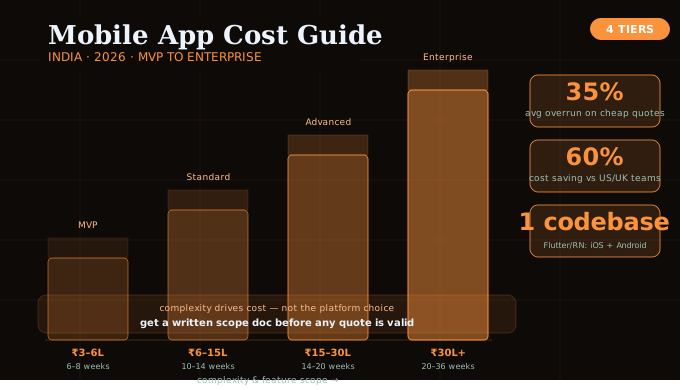
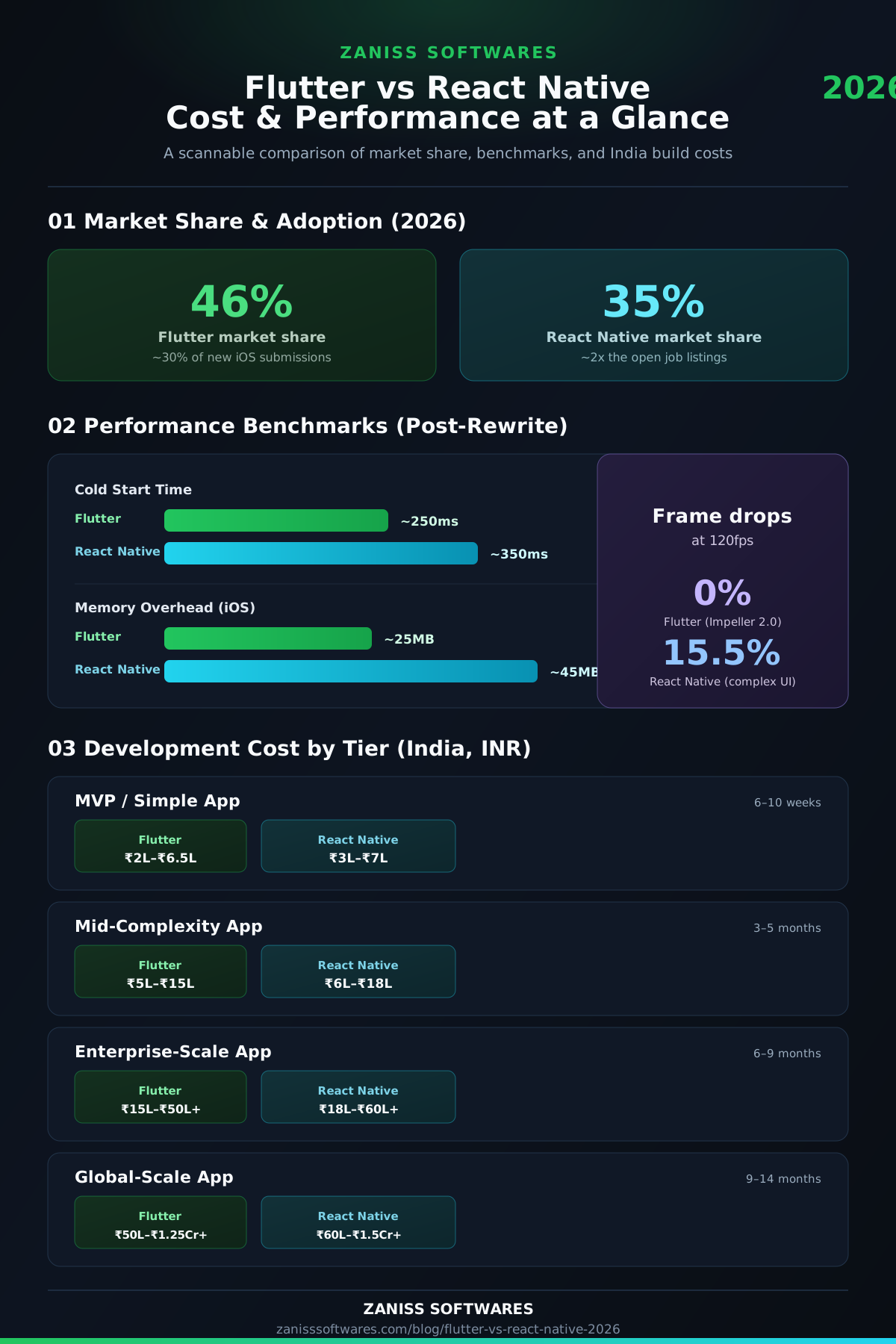
  • India 2026 PWA cost is 40–60% cheaper than building separate native iOS and Android apps with equivalent functionality.
Key details at a glance

The PWA capability stack includes a Web App Manifest (installable, home-screen icon), Service Worker (offline cache, push API), IndexedDB (local data), and Push Notifications. Browser-default install prompts convert at just 1–2%; a custom in-app prompt designed around a clear value moment converts at 8–15% — near-native rates. PWAs win for content, commerce, and tools where reach matters; native still wins for AR/BLE/background-GPS apps and 3D games. India 2026 PWA cost is 40–60% cheaper than building separate native iOS and Android apps with equivalent functionality.
Want this applied to your business?

Book a free consultation and we'll map this framework to your project — no fluff, no sales pressure.