The New MDR Rule at a Glance
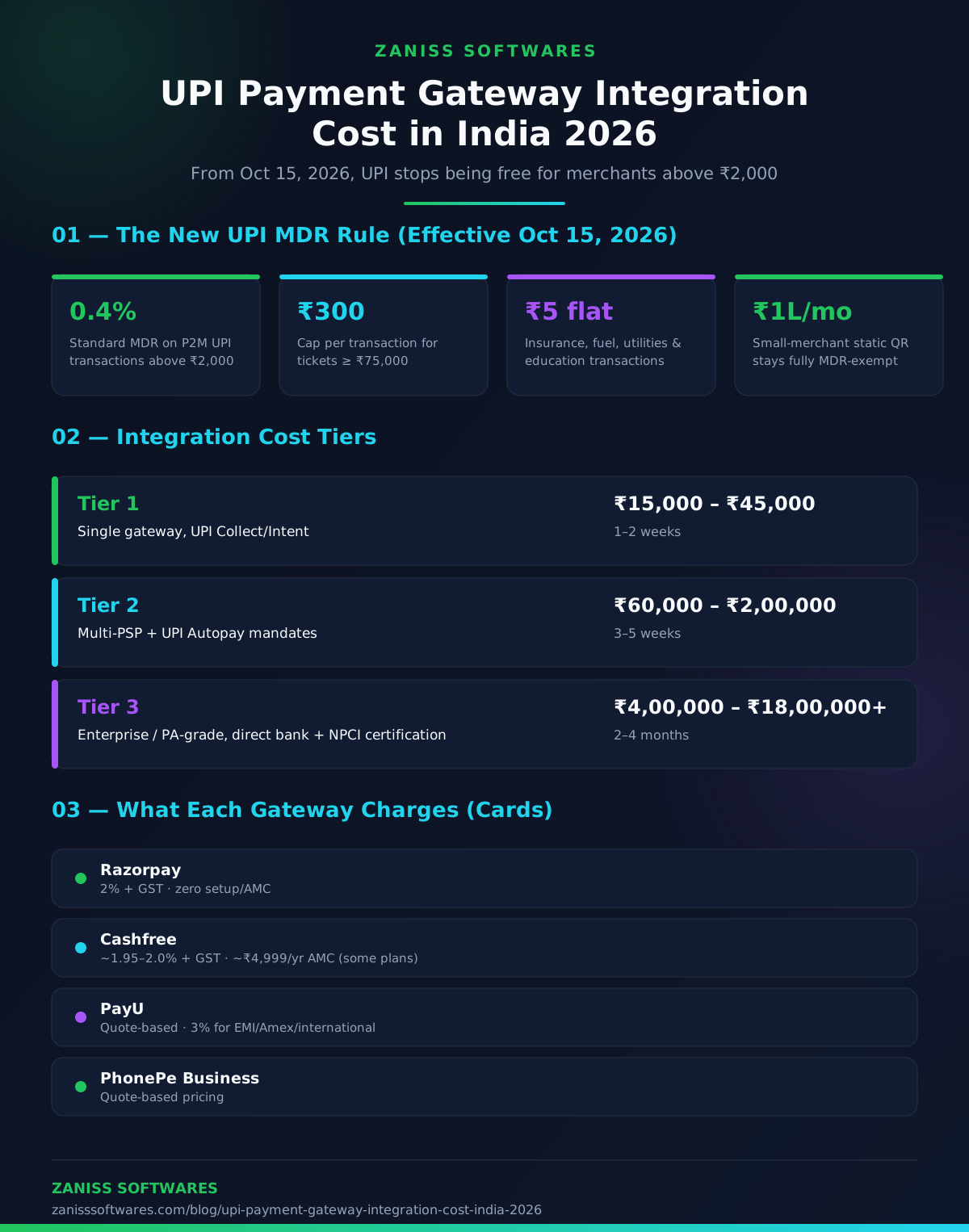
0.4% standard rate on UPI P2M above ₹2,000 · Capped at ₹300 per transaction for tickets ≥ ₹75,000 · Flat ₹5 for insurance/fuel/utilities/education · 0.02% for capital markets · Zero MDR under ₹2,000 and for small-merchant static QR under ₹1 lakh/month · Effective October 15, 2026 · Merchant pays, not the customer
Integration Cost Tiers
Tier 1 (Single gateway, UPI Collect/Intent): ₹15,000–₹45,000, 1–2 weeks · Tier 2 (Multi-PSP + UPI Autopay mandates): ₹60,000–₹2,00,000, 3–5 weeks · Tier 3 (Enterprise / PA-grade, direct bank + NPCI certification): ₹4,00,000–₹18,00,000+, 2–4 months
What Each Gateway Charges (Cards)
Razorpay: 2% + GST, zero setup/AMC · Cashfree: ~1.95–2.0% + GST, ~₹4,999/yr AMC on some plans · PayU: quote-based, 3% for EMI/Amex/international · PhonePe Business: quote-based
How to Evaluate / Decide
Check your average transaction size against the ₹2,000 MDR threshold first — it determines whether the new rule matters at all. Then check whether you bill recurring payments (if yes, you need Autopay, which moves you to Tier 2 minimum). Finally check whether you're collecting your own revenue or settling to other merchants (a marketplace/platform model pushes you to Tier 3 regardless of size).
Frequently asked questions
- Is UPI still free for merchants in 2026?
- Mostly — under ₹2,000 per transaction and for small merchants under ₹1 lakh/month via static QR, yes. Above that, a new 0.4% MDR applies from October 15, 2026.
- Do I need UPI Autopay?
- Yes, if you bill anything recurring — subscriptions, EMIs, memberships. It's a separate integration from one-time payments.
- What does basic UPI integration cost?
- ₹15,000–₹45,000 for a single-gateway checkout; ₹60,000–₹2,00,000 with Autopay and multi-PSP redundancy; ₹4,00,000+ for enterprise/PA-grade builds.